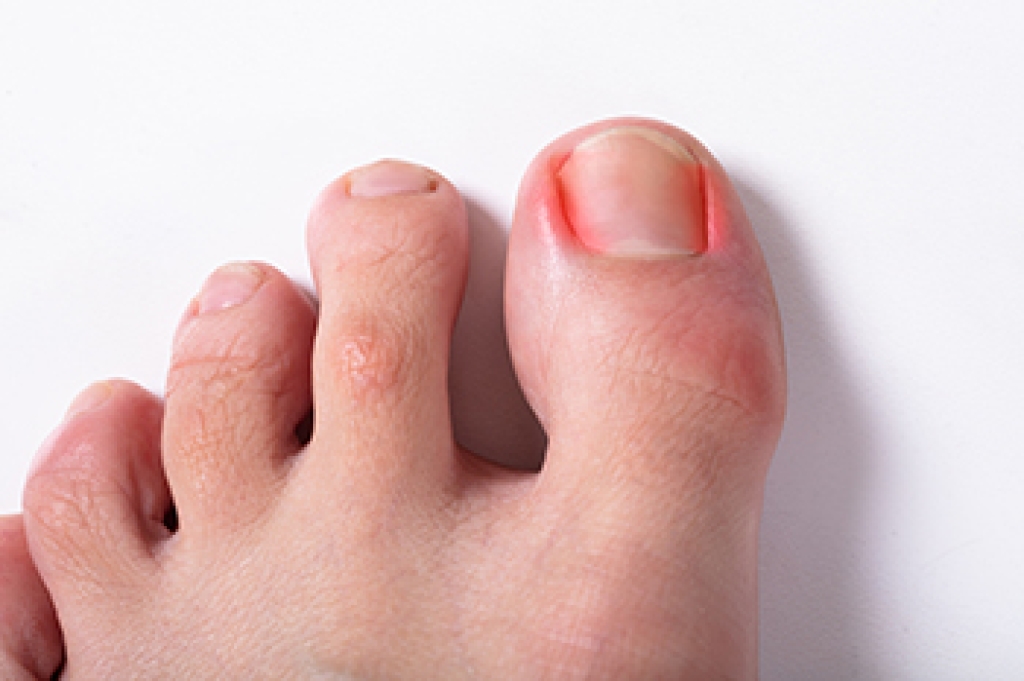
Various toenail conditions can lead to discomfort, often resulting from injury, infection, or underlying skin issues. One of the most common problems is an ingrown toenail, which can become increasingly painful if not addressed. An ingrown toenail occurs when the edge of the nail grows into the surrounding skin, causing redness, swelling, and tenderness along the nail border. The area may feel especially sore when pressure is applied, such as while wearing shoes, and infection may develop with drainage or warmth. Factors that contribute to this condition include trimming the nails too short, tight footwear, previous injury, or naturally curved nails. A podiatrist can assess the condition and recommend appropriate care. Treatment may involve removing the ingrown portion, providing guidance on proper nail trimming, or performing a minor procedure to help prevent recurrence. Prompt care can ease discomfort and reduce the risk of infection. If you have an ingrown toenail or other nail concerns, it is suggested that you make an appointment with a podiatrist.
Ingrown toenails can become painful if they are not treated properly. For more information about ingrown toenails, contact one of our podiatrists of Premier Ankle & Foot Specialists. Our doctors can provide the care you need to keep you pain-free and on your feet.
Ingrown Toenails
Ingrown toenails occur when a toenail grows sideways into the bed of the nail, causing pain, swelling, and possibly infection.
Causes
- Bacterial infections
- Improper nail cutting such as cutting it too short or not straight across
- Trauma to the toe, such as stubbing, which causes the nail to grow back irregularly
- Ill-fitting shoes that bunch the toes too close together
- Genetic predisposition
Prevention
Wearing proper fitting shoes and using proper cutting techniques will also help decrease your risk of developing ingrown toenails.
Treatment
Ingrown toenails are a very treatable foot condition. In minor cases, soaking the affected area in salt or antibacterial soaps will not only help with the ingrown nail itself, but also help prevent any infections from occurring. In more severe cases, surgery is an option. In either case, speaking to your podiatrist about this condition will help you get a better understanding of specific treatment options that are right for you.
If you have any questions, please feel free to contact our offices located in South York, West York, and East York, PA . We offer the newest diagnostic and treatment technologies for all your foot care needs.
