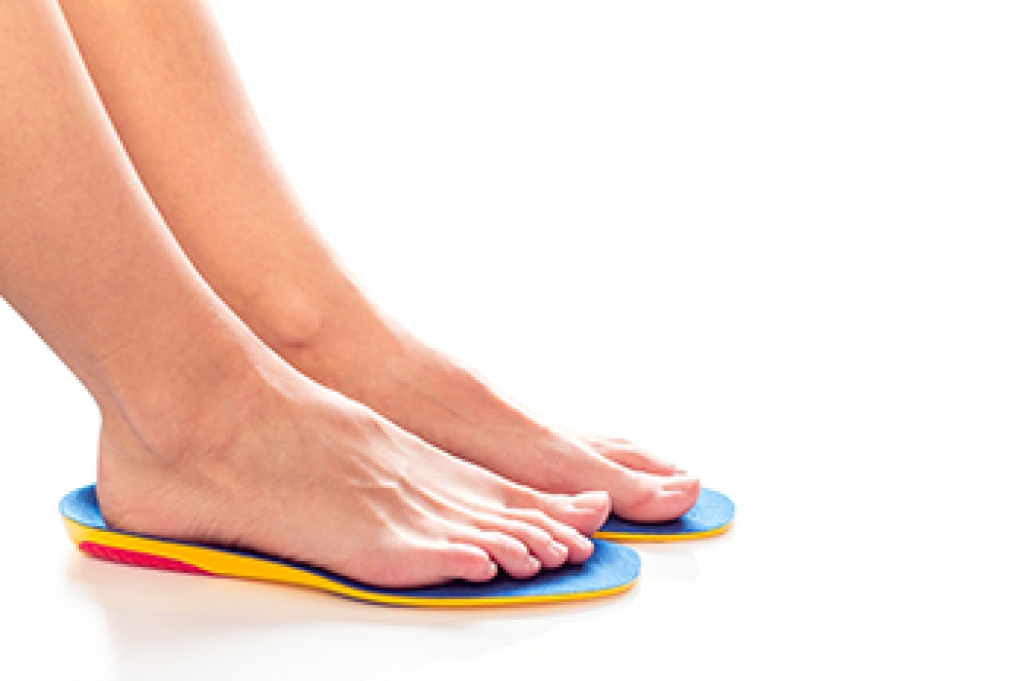
Rain or shine, snow or sleet, Custom Orthotics have your feet covered! As the seasons change, ensure your steps remain comfortable and supported. Custom Orthotics adapt to your footwear, from summer sandals to winter boots, providing consistent relief and alignment. Don't let the changing weather dictate your foot comfort. Step confidently year-round and experience the difference with Custom Orthotics. Call today for more information.
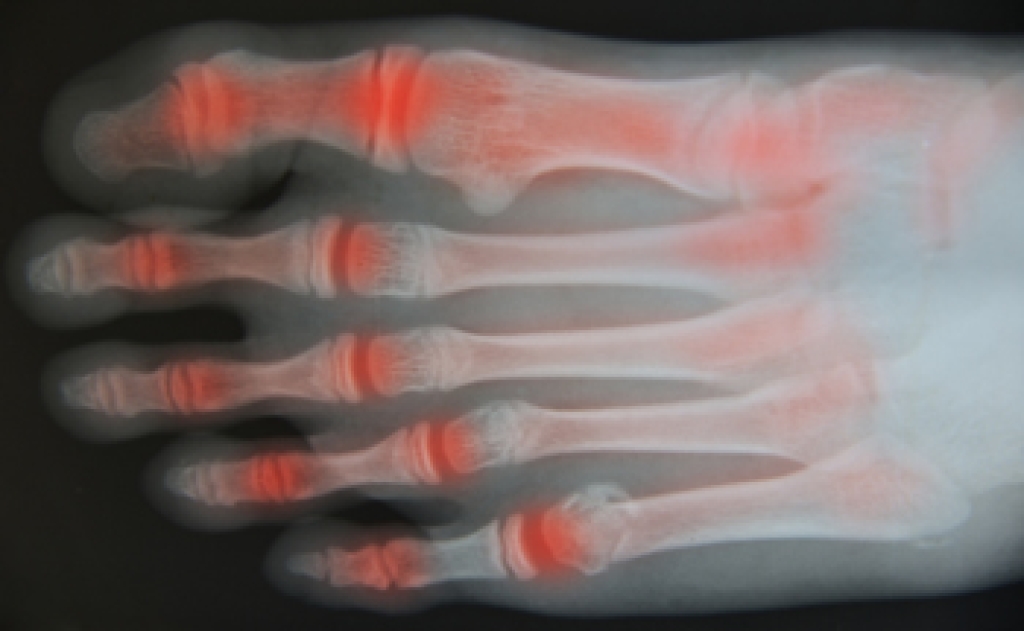
Rheumatoid arthritis, or RA, is an autoimmune disease that can affect the feet and ankles. It occurs when the immune system mistakenly attacks healthy joint tissues, causing ongoing inflammation. Rheumatoid arthritis can affect several joints and gradually change foot function. Pain, swelling, and stiffness are common symptoms. Stiffness may be especially noticeable in the morning or after sitting. Tenderness can make walking and daily activities uncomfortable.
Rheumatoid arthritis can affect joints, tendons, and other structures that support the foot and ankle. Inflammation may make movement uncomfortable and gradually contribute to joint damage or changes in foot shape. Important risk factors include having a family history of rheumatoid arthritis and exposure to certain environmental triggers. Smoking is another recognized risk factor. Women are diagnosed more often than men. These factors can increase susceptibility.
When rheumatoid arthritis affects the feet, a podiatrist will review symptoms and examine the feet and ankles. The evaluation may include checking joint movement, swelling, and walking patterns. Imaging tests may be recommended to assess joint damage. Blood testing may also be part of the medical evaluation, although a podiatrist may coordinate with a rheumatologist. Treatment can include wearing supportive footwear, custom orthotics, and bracing to improve comfort. Early care can help protect comfort, mobility, and function.
Managing rheumatoid arthritis often requires ongoing care because symptoms can change over time. A podiatrist can monitor foot and ankle health and address painful joints or pressure areas. Taking symptoms seriously can help prevent foot problems from becoming more limiting over time. If you have symptoms of rheumatoid arthritis in your feet or ankles, it is suggested that you consult a podiatrist for effective relief and management solutions.
Because RA affects more than just your joints, including the joints in your feet and ankles, it is important to seek early diagnosis from your podiatrist if you feel like the pain in your feet might be caused by RA. For more information, contact one of our podiatrists of Premier Ankle & Foot Specialists. Our doctors will assist you with all of your podiatric concerns.
What Is Rheumatoid Arthritis?
Rheumatoid Arthritis (RA) is an autoimmune disorder in which the body’s own immune system attacks the membranes surrounding the joints. Inflammation of the lining and eventually the destruction of the joint’s cartilage and bone occur, causing severe pain and immobility.
Rheumatoid Arthritis of the Feet
Although RA usually attacks multiple bones and joints throughout the entire body, almost 90 percent of cases result in pain in the foot or ankle area.
Symptoms
Swelling and pain in the feet
Stiffness in the feet
Pain on the ball or sole of feet
Joint shift and deformation
Diagnosis
Quick diagnosis of RA in the feet is important so that the podiatrist can treat the area effectively. Your doctor will ask you about your medical history, occupation, and lifestyle to determine the origin of the condition. Rheumatoid Factor tests help to determine if someone is affected by the disease.
If you have any questions, please feel free to contact our offices located in South York, West York,and East York, PA. We offer the newest diagnostic and treatment technologies for all your foot care needs.
Orthotics are designed to counteract harmful forces exerted on the foot, thereby treating injuries, and alleviating associated pain. They achieve this by modifying the force from the ground on the foot during activities such as standing, walking, or running. By managing these pressures, orthotics foster healthier foot movements and counteract forces that may result in foot problems. Furthermore, the design of custom orthotics is tailored based on the specific foot problem and its location. By customizing their design, orthotics can adjust the force's direction, intensity, and occurrence inside the foot, possibly preventing potential mechanical injuries. Additionally, wearing orthotics provides sensory feedback to the brain that promotes adaptation in foot movements during walking, ensuring better foot function. If you have foot pain, it is suggested that you make an appointment with a podiatrist to discuss whether custom orthotics are a right choice for you.
Our feet carry us through every part of life, absorbing the impact of thousands of steps each day. When they are not properly supported, the effects can extend far beyond the feet themselves. Custom orthotics provide the foundation the body needs by aligning, cushioning, and stabilizing each foot in its most natural position. They are carefully crafted to match the unique structure of each individual’s feet, allowing them to move efficiently and comfortably while reducing stress on the muscles, joints, and ligaments.
Proper foot support is essential for maintaining balance and preventing fatigue. Without it, the body compensates by shifting weight unevenly, which can lead to discomfort in the ankles, knees, hips, or lower back. Custom orthotics help restore this balance by redistributing pressure and promoting a more natural walking pattern. They not only ease existing pain but also protect against future strain or injury by supporting the arches and controlling excessive motion.
Unlike store-bought insoles, custom orthotics are created through detailed assessment and advanced technology to provide precise correction and comfort. They fit seamlessly into most shoes, making them ideal for daily wear, work, or sports.
If your feet feel tired, sore, or unsupported, it is recommended that you contact our office for more information, or to make an appointment.
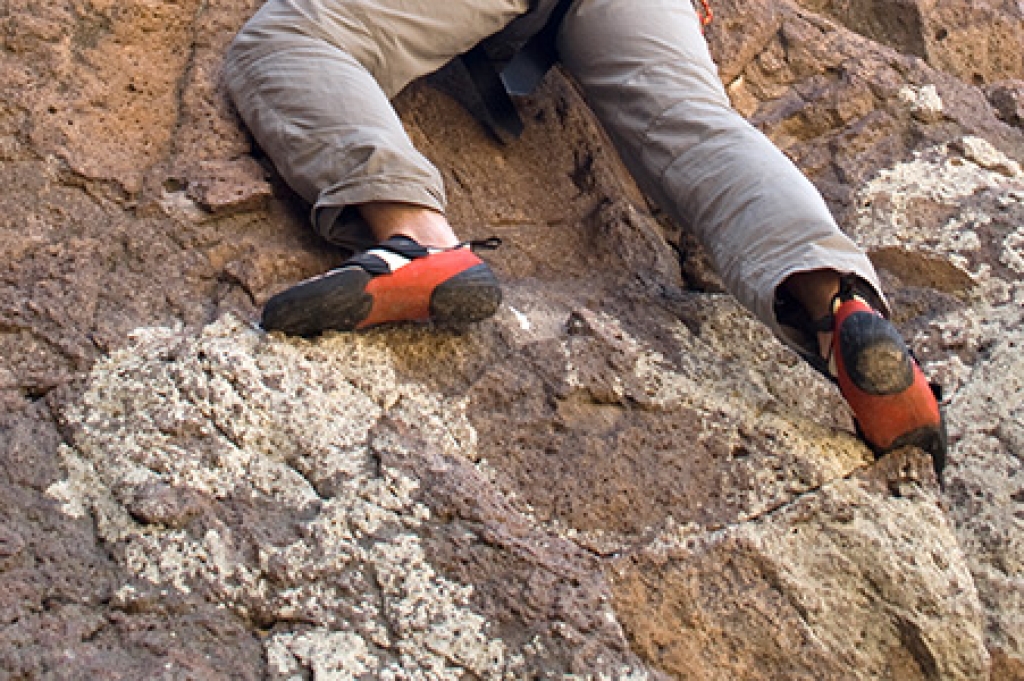
Rock climbing is an athletic activity that involves moving up natural rock formations or indoor climbing walls using strength, balance, and precise foot placement. Because the sport requires tight-fitting footwear and repeated pressure on the forefoot, wearing poorly fitted or inappropriate shoes can lead to several foot-related injuries. Common conditions include Achilles tendinopathy, which causes pain and stiffness along the back of the heel and Haglund's deformity that produces irritation near the heel bone. Hallux valgus, also known as bunions, plantar fasciitis involving inflammation of the heel tissue, and chronic ankle instability from repeated strain are other factors. A podiatrist can evaluate foot structure, treat injuries, and recommend supportive footwear. If climbing-related foot pain develops, it is suggested that you consult a podiatrist who can treat various foot and ankle injuries, helping you to protect foot health and maintain performance.
Foot Pain
Foot pain can be extremely painful and debilitating. If you have a foot pain, consult with one of our podiatrists from Premier Ankle & Foot Specialists. Our doctors will assess your condition and provide you with quality foot and ankle treatment.
Causes
Foot pain is a very broad condition that could be caused by one or more ailments. The most common include:
Bunions
Hammertoes
Plantar Fasciitis
Bone Spurs
Corns
Tarsal Tunnel Syndrome
Ingrown Toenails
Arthritis (such as Gout, Rheumatoid, and Osteoarthritis)
To figure out the cause of foot pain, podiatrists utilize several different methods. This can range from simple visual inspections and sensation tests to X-rays and MRI scans. Prior medical history, family medical history, and any recent physical traumatic events will all be taken into consideration for a proper diagnosis.
Treatment
Treatment depends upon the cause of the foot pain. Whether it is resting, staying off the foot, or having surgery; podiatrists have a number of treatment options available for foot pain.
If you have any questions, please feel free to contact our offices located in South York, West York,and East York, PA. We offer the newest diagnostic and treatment technologies for all your foot care needs.