Everyday Foot Care and Professional Help

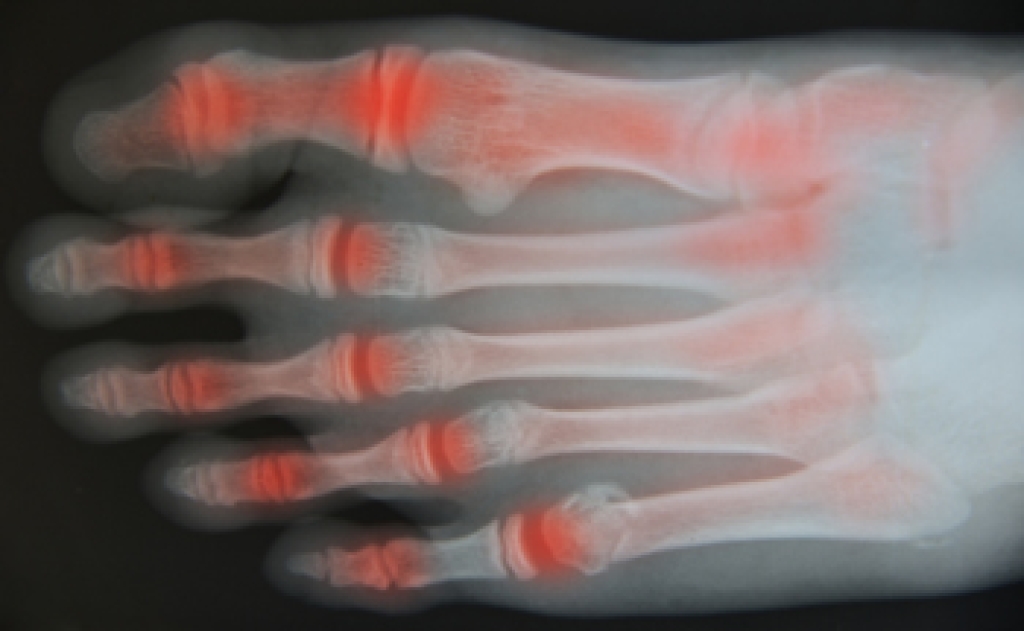
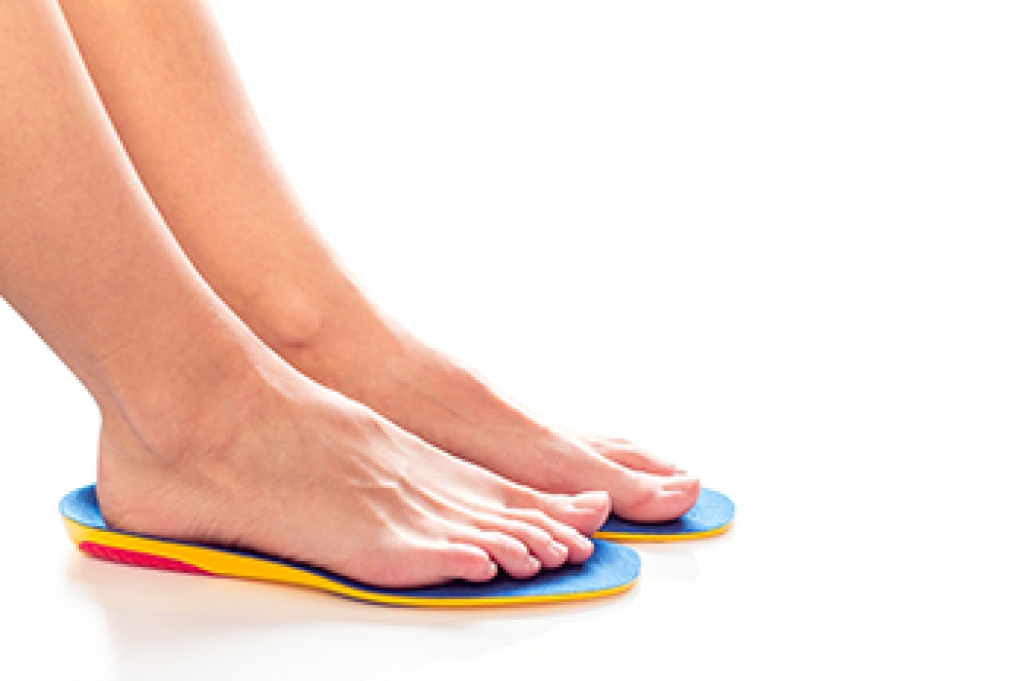
Caring for the feet begins with simple habits that keep the skin, nails, and joints healthy. Regular washing and drying helps maintain good skin condition, while properly trimmed nails reduce irritation and discomfort. Supportive shoes that fit well can ease strain on the arches and lessen fatigue during daily activities. Paying attention to changes such as new soreness, swelling, or areas of pressure is also important, as these signs can reveal early trouble long before a major problem develops. A podiatrist becomes important when foot pain does not ease, when walking becomes difficult, or when changes in the nails or skin progress despite basic care. Persistent heel pain, repeated ankle issues, numbness, or wounds that do not improve all deserve professional attention. If any of these concerns affect your comfort or mobility, it is suggested that you see a podiatrist for effective treatment solutions.

Everyday foot care is very important to prevent infection and other foot ailments. If you need your feet checked, contact one of our podiatrists from Premier Ankle & Foot Specialists. Our doctors can provide the care you need to keep you pain-free and on your feet.

Everyday Foot Care

Often, people take care of their bodies, face and hair more so than they do for their feet. But the feet are a very important aspect of our bodies, and one that we should pay more attention to. Without our feet, we would not be able to perform most daily tasks.

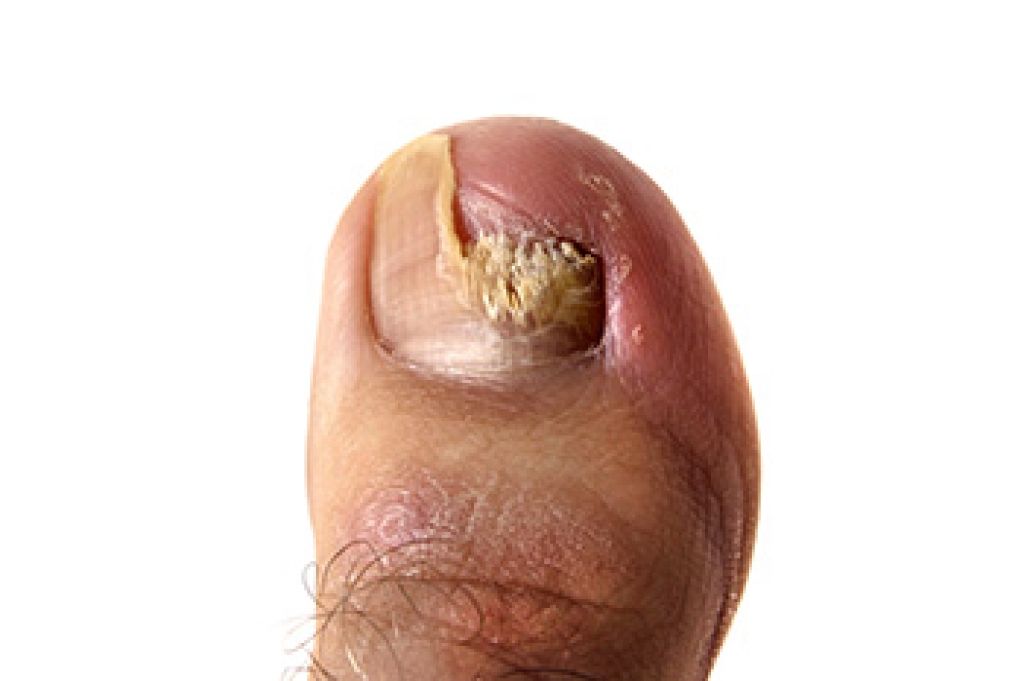
It is best to check your feet regularly to make sure there are no new bruises or cuts that you may not have noticed before. For dry feet, moisturizer can easily be a remedy and can be applied as often as necessary to the affected areas. Wearing shoes that fit well can also help you maintain good foot health, as well as making it easier to walk and do daily activities without the stress or pain of ill-fitting shoes, high heels, or even flip flops. Wearing clean socks with closed shoes is important to ensure that sweat and bacteria do not accumulate within the shoe. Clean socks help to prevent Athlete’s foot, fungi problems, bad odors, and can absorb sweat.

If you have any questions, please feel free to contact our offices located in South York, West York, and East York, PA . We offer the newest diagnostic and treatment technologies for all your foot care needs.
Read more about Every Day Foot Care

Obesity May Affect Foot Structure

Research has indicated that an elevated body mass index may affect the structure of the foot. A common foot condition in overweight people is plantar fasciitis. This can happen as a result of the feet enduring the weight of the body, and the arches are generally affected. Obesity may lead to diabetes and poor circulation, and these ailments can cause serious foot conditions. It is beneficial to implement a healthy lifestyle which is conducive to maintaining a normal weight. This can consist of performing a gentle exercise routine, drinking plenty of water daily, and eating fruits and vegetables. If you are overweight and have pain in your feet, it is strongly suggested that you are under the care of a podiatrist who can help you to manage your foot pain.

The more you weigh, the harder your feet must work to support your body. If you’re an obese individual and are concerned about your feet, contact one of our podiatrists from Premier Ankle & Foot Specialists. Our doctors can provide the care you need to keep you pain-free and on your feet.

Obesity and Your Feet

People who are overweight are putting more pressure on their ankles, knees, and hips as well as their feet. This unfortunately can lead to variety of different issues.

Problems & Complications Stemming from Obesity

  • When the body is overweight, it tries to compensate by changing the way that it moves. An obese person may lean forward and put extra weight on the wrong part of the foot. This puts unnecessary stress on the feet.
  • Obese people are also more likely to develop type II diabetes which is a condition that causes a lot of foot problems. People with diabetes often don’t feel the cuts and sores that they may have on their feet, which can lead to more complicated and severe issues.
  • Plantar fasciitis is another foot condition that can be caused by obesity. Plantar fasciitis is an inflammation of the tissue along the bottom of the foot, which causes pain and stiffness while walking and climbing stairs.

If you have any questions please contact our offices located in South York, West York, and East York, PA . We offer the newest diagnostic and treatment technologies for all your foot and ankle needs.

Read more about Obesity and the Feet

Wounds That Don't Heal Need to Be Checked

Your feet are covered most of the day. If you're diabetic, periodic screening is important for good health. Numbness is often a sign of diabetic foot and can mask a sore or wound.

Running With a Broken Toe and What You Need to Know

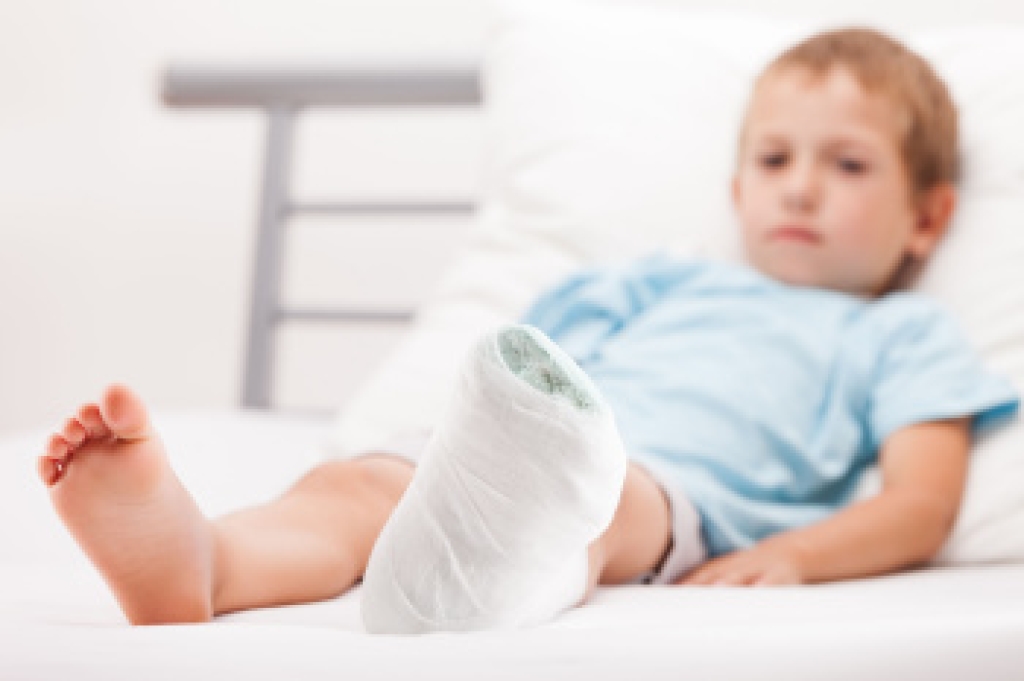
Running with a broken toe is generally not recommended. Even a small fracture affects how your foot absorbs pressure, and the repeated impact from running can worsen the injury, delay healing, or cause the bone to shift out of place. Most people experience sharp pain, swelling, bruising, or difficulty pushing off the ground, all of which make running uncomfortable and risky. Continuing to run can also change your gait, which may lead to new problems in the foot, ankle, knee, or hip. A broken toe usually needs rest, protection, and sometimes immobilization to heal properly. For mild fractures, buddy taping and wearing a stiff-soled shoe may be enough. More complex injuries require medical guidance. Listening to your body and allowing time for recovery gives you the best chance to return to activity safely. If you suspect a toe fracture or the pain is not improving, it is suggested that you see a podiatrist for an evaluation and proper care.

Broken toes may cause a lot of pain and should be treated as soon as possible. If you have any concerns about your feet, contact one of our podiatrists from Premier Ankle & Foot Specialists. Our doctors will treat your foot and ankle needs.

What Is a Broken Toe?

A broken toe occurs when one or more of the toe bones of the foot are broken after an injury. Injuries such as stubbing your toe or dropping a heavy object on it may cause a toe fracture.

Symptoms of a Broken Toe

  • Swelling
  • Pain (with/without wearing shoes)
  • Stiffness
  • Nail Injury

Although the injured toe should be monitored daily, it is especially important to have a podiatrist look at your toe if you have severe symptoms. Some of these symptoms include worsening or new pain that is not relieved with medication, sores, redness, or open wounds near the toe.

If you have any questions please feel free to contact our offices located in South York, West York, and East York, PA . We offer the newest diagnostic tools and technology to treat your foot and ankle needs.

Read more about What to Know About a Broken Toe

Bypass Bunion Surgery with Custom Orthotics

Considering bunion surgery? Think again. Custom Orthotics offer a non-surgical approach to reduce pain and restore foot function. Customized to your foot's structure, they realign and redistribute pressure, alleviating bunion discomfort. Experience the freedom of movement without the downtime and risks of surgery. Contact our office to make an appointment.

Connect With Us

scroll to top