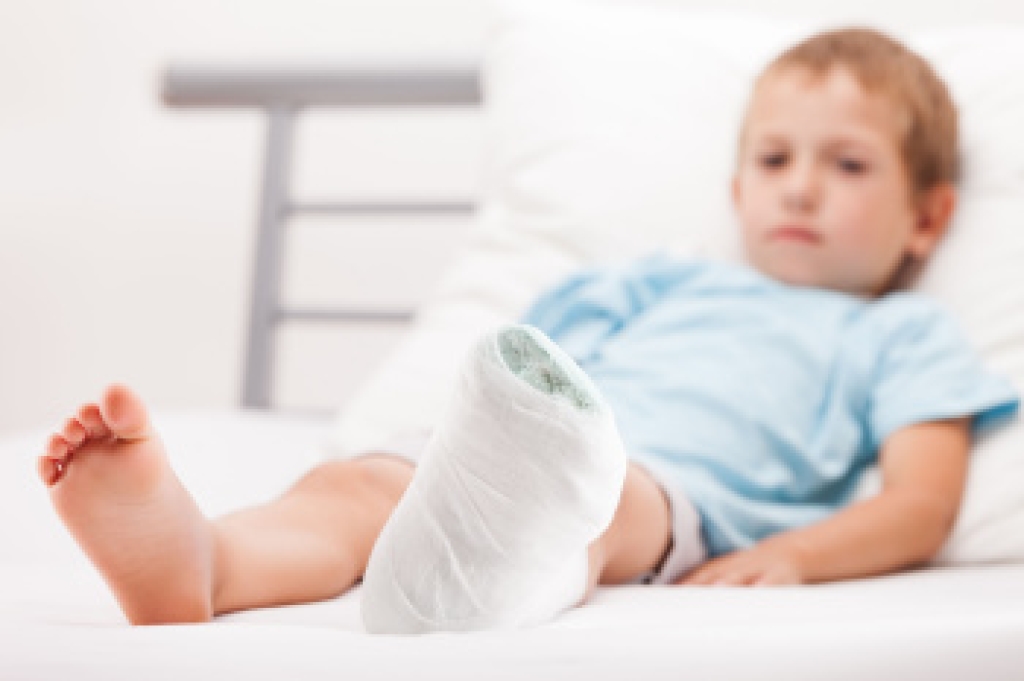
Effective Exercises for Flat Feet

Exercises for flat feet can strengthen the muscles that support the arch and improve flexibility. Heel stretches help loosen tight calf muscles by placing your hands on a wall, stepping one foot back, and gently pressing the heel down. Rolling a tennis or golf ball under the arch massages the foot and reduces tension. Arch lifts involve keeping the toes and heel on the ground while raising the arch upward. Additionally, calf raises strengthen lower leg muscles by slowly lifting the heels off the floor and lowering them back down. A podiatrist can assess your foot mechanics, demonstrate proper techniques, and prescribe custom orthotics for added support. If you have any level of pain from flat feet, it is suggested that you consult a podiatrist who can offer effective relief tips.

Exercising your feet regularly with the proper foot wear is a great way to prevent injuries and build strength. If you have any concerns about your feet, contact one of our podiatrists from Premier Ankle & Foot Specialists. Our doctors can provide the care you need to keep you pain-free and on your feet.

Exercise for Your Feet

Exercise for your feet can help you gain strength, mobility and flexibility in your feet. They say that strengthening your feet can be just as rewarding as strengthening another part of the body. Your feet are very important, and we often forget about them in our daily tasks. But it is because of our feet that are we able to get going and do what we need to. For those of us fortunate enough to not have any foot problems, it is an important gesture to take care of them to ensure good health in the long run.

Some foot health exercises can include ankle pumps, tip-toeing, toe rises, lifting off the floor doing reps and sets, and flexing the toes. It is best to speak with Our doctors to determine an appropriate regimen for your needs. Everyone’s needs and bodies are different, and the activities required to maintain strength in the feet vary from individual to individual. 

Once you get into a routine of doing regular exercise, you may notice a difference in your feet and how strong they may become.

If you have any questions, please feel free to contact our offices located in South York, West York, and East York, PA . We offer the newest diagnostic and treatment technologies for all your foot care needs.
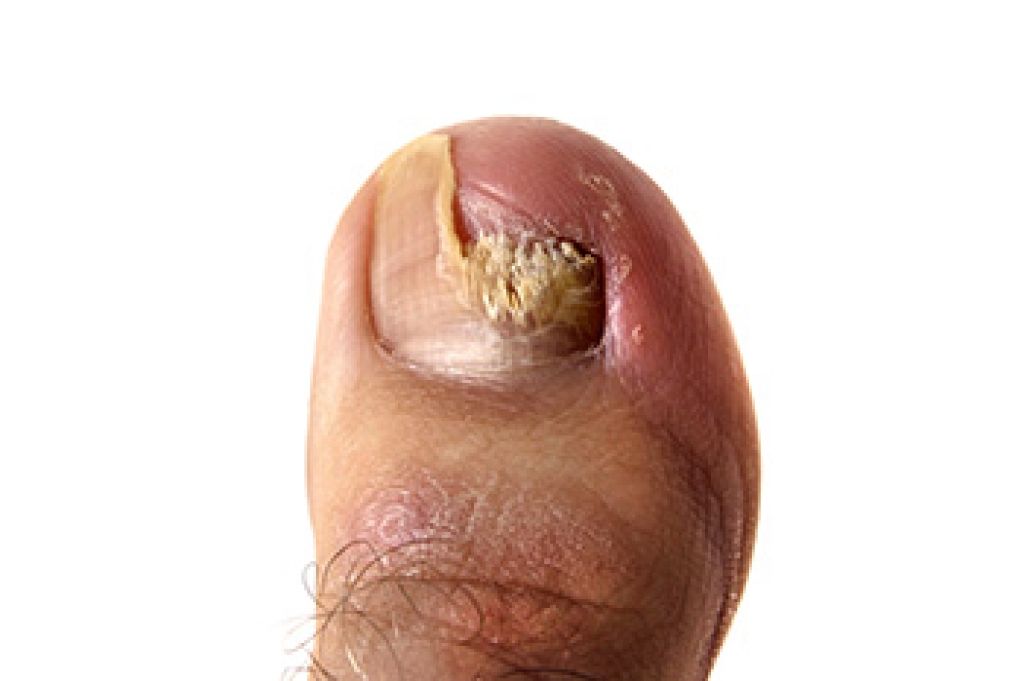
Read more about Exercise for Your Feet

Choosing Baby Walking Shoes

When babies begin to walk, choosing the right shoes is important for healthy foot development. Babies do not need shoes until they start walking outdoors, as barefoot play helps strengthen their feet and improve balance. When it is time for shoes, look for flexible soles, breathable materials, and a secure yet comfortable fit that allows natural movement. Avoid stiff or overly structured shoes that restrict growth or mobility. A podiatrist can assess your baby’s foot development, check for any alignment concerns, and recommend the best shoe type for proper support. If you have questions about your baby’s first shoes or notice walking difficulties, it is suggested that you schedule a visit with a podiatrist who can examine your child's feet, and guide you on the proper shoes to buy.

The health of a child’s feet is vital to their overall well-being. If you have any questions regarding foot health, contact one of our podiatrists of Premier Ankle & Foot Specialists. Our doctors can provide the care you need to keep you pain-free and on your feet.

Tips for Keeping Children's Feet Healthy

  • Make sure their shoes fit properly
  • Look for any signs of in-toeing or out-toeing
  • Check to see if they have Clubfoot (condition that affects your child’s foot and ankle, twisting the heel and toes inward) which is one of the most common nonmajor birth defects.
  • Lightly cover your baby’s feet (Tight covers may keep your baby from moving their feet freely, and could prevent normal development)
  • Allow your toddler to go shoeless (Shoes can be restricting for a young child’s foot)
  • Cut toenails straight across to avoid ingrown toenails
  • Keep your child’s foot clean and dry
  • Cover cuts and scrapes. Wash any scratches with soap and water and cover them with a bandage until they’ve healed.

If you have any questions, please feel free to contact our offices located in South York, West York, and East York, PA . We offer the newest diagnostic and treatment technologies for all your foot care needs.
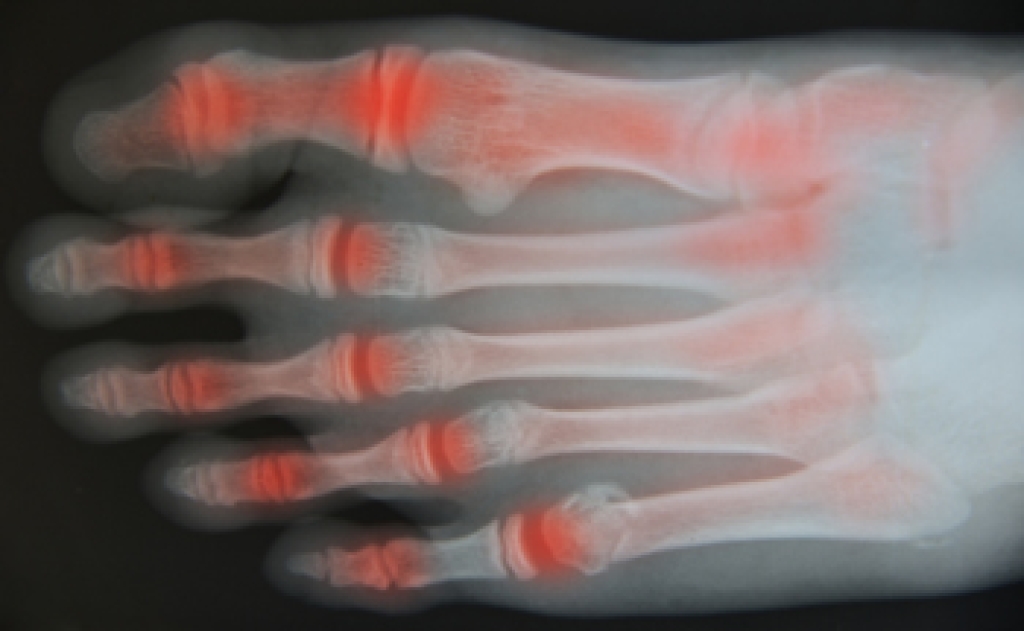
Read more about How to Care for Your Child's Feet

Understanding Plantar Warts and Your Foot Health

Plantar warts are small growths that develop on the soles of the feet due to the human papillomavirus entering the skin through tiny cuts or weak spots. They often appear as rough, grainy, or fleshy lesions and may have small black pinpoint dots within them. Symptoms can include tenderness while walking, a feeling similar to standing on a pebble, and discomfort that increases with pressure. Some warts grow inward beneath a thickened layer of skin, making them difficult to identify without professional guidance. A podiatrist can provide a clear diagnosis through careful examination and can recommend treatments such as topical medications or debridement depending on the severity and location of the wart. Professional care helps prevent spreading, reduces pain, and supports faster recovery. If you notice persistent foot pain or a suspicious growth on the sole of your foot, it is suggested that you schedule an appointment with a podiatrist for relief and treatment options.

Plantar warts can be very uncomfortable. If you need your feet checked, contact one of our podiatrists from Premier Ankle & Foot Specialists. Our doctors will assist you with all of your foot and ankle needs.

About Plantar Warts

Plantar warts are the result of HPV, or human papillomavirus, getting into open wounds on the feet. They are mostly found on the heels or balls of the feet.

While plantar warts are generally harmless, those experiencing excessive pain or those suffering from diabetes or a compromised immune system require immediate medical care. Plantar warts are easily diagnosed, usually through scraping off a bit of rough skin or by getting a biopsy.

Symptoms

  • Lesions on the bottom of your feet, usually rough and grainy
  • Hard or thick callused spots
  • Wart seeds, which are small clotted blood vessels that look like little black spots
  • Pain, discomfort, or tenderness of your feet when walking or standing

Treatment

  • Freezing
  • Electric tool removal
  • Laser Treatment
  • Topical Creams (prescription only)
  • Over-the-counter medications

To help prevent developing plantar warts, avoid walking barefoot over abrasive surfaces that can cause cuts or wounds for HPV to get into. Avoiding direct contact with other warts, as well as not picking or rubbing existing warts, can help prevent the further spread of plantar warts. However, if you think you have developed plantar warts, speak to your podiatrist. He or she can diagnose the warts on your feet and recommend the appropriate treatment options.

If you have any questions, please feel free to contact our offices located in South York, West York, and East York, PA . We offer the newest diagnostic and treatment technologies for all your foot care needs.
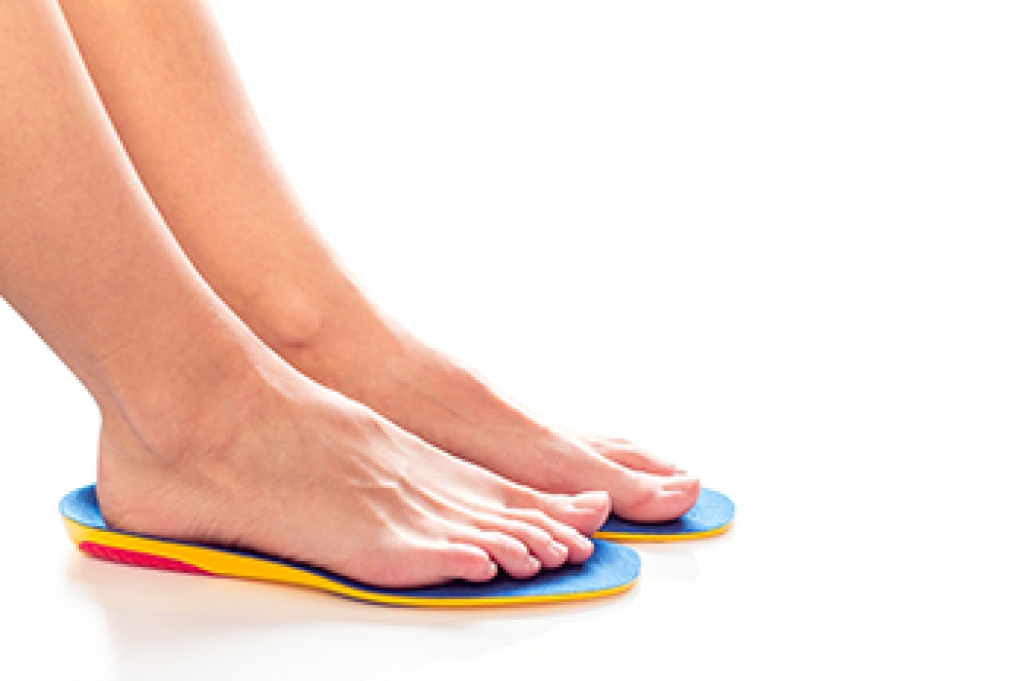
Read more about All About Plantar Warts

It's Time for Beautiful Feet

You don't need an excuse to have beautiful nails. Step outside without worrying about the appearance of your feet.

Custom Orthotics For Teen Athletes

Parents, support your athletic teens with Custom Orthotics! As they excel in sports and activities, their feet need optimal care. Custom Orthotics provide the right alignment, reducing fatigue and enhancing performance. They help absorb shocks, minimize injuries, and cater to their unique foot structure. Don't let foot discomfort sideline their passion. Invest in their comfort and athletic future by choosing Custom Orthotics from our office. Call today for an appointment.

Connect With Us

scroll to top