Ankle Sprains in Volleyball Players

Ankle sprains are a common injury among volleyball players due to sudden jumps, quick lateral movements, and unexpected landings. These movements can stretch or tear the ligaments that support the ankle, causing pain and instability. Symptoms of an ankle sprain include swelling, bruising, tenderness, difficulty bearing weight, and a feeling of the ankle giving way during activity. If left untreated, repeated sprains can lead to chronic instability and long-term joint problems. A podiatrist can evaluate the severity of the sprain, recommend appropriate treatment such as rest or bracing, and provide guidance on proper footwear or supportive devices to prevent future injuries. If you have  ankle pain or instability after volleyball activity, it is suggested that you schedule a visit with a podiatrist to restore stability, reduce pain, and protect your ankle for a safe return to the sport.

Although ankle sprains are common, they aren’t always minor injuries. If you need your ankle injury looked at, contact one of our podiatrists from Premier Ankle & Foot Specialists. Our doctors can provide the care you need to keep you pain-free and on your feet.

How Does an Ankle Sprain Occur?

Ankle sprains are the result of a tear in the ligaments within the ankle. These injuries may happen when you make a rapid shifting movement while your foot is planted. A less common way to sprain your ankle is when your ankle rolls inward while your foot turns outward.

What Are the Symptoms?

  • Pain at the sight of the tear
  • Bruising/Swelling
  • Ankle area is tender to touch
  • In severe cases, may hear/feel something tear
  • Skin discoloration

Preventing a Sprain

  • Wearing appropriate shoes for the occasion
  • Stretching before exercises and sports
  • Knowing your limits

Treatment of a Sprain

In many cases, the RICE method (Rest, Ice, Compression, and Elevate) is used to treat ankle sprains. However, you should see a podiatrist to see which treatment option would work best with your injury. In severe cases, surgery may be required.

It is important to ask your doctor about rehab options after you receive treatment for your injury. Stretching, strength training, and balance exercises may help the ankle heal while also preventing further injury.

If you have any questions, please feel free to contact our offices located in South York, West York, and East York, PA . We offer the newest diagnostic and treatment technologies for all your foot care needs.

Read more about Ankle Sprains

Custom Orthotics Provide Relief From Heel Pain

Experiencing persistent heel pain? Custom Orthotics might be your solution. These custom-designed shoe inserts adapt to your unique foot structure, optimizing support and alleviating discomfort. By redistributing pressure, they can significantly reduce heel pain, enhancing your daily mobility. Dive into a pain-free lifestyle and elevate your walking experience. Curious about the benefits of Custom Orthotics?

Contact our office today.

Stages of a Diabetic Foot Ulcer

A diabetic foot ulcer is an open sore that develops due to nerve damage, poor circulation, and pressure on the feet in people with diabetes. The process often begins with a normal foot that appears healthy, but may already have reduced sensation. An at-risk foot shows changes like numbness, dry skin, or calluses that increase the chance of skin breakdown. A foot with an ulcer has an open wound that may be slow to heal and can worsen without proper care. An infected foot develops redness, swelling, drainage, and increased pain, raising the risk of serious complications. A podiatrist plays a critical role in identifying each stage early, providing wound care, reducing pressure, and preventing infection. If you have diabetes, it is suggested that you schedule regular visits with a podiatrist to protect your feet, prevent ulcers, and help you in managing his serious condition.

Wound care is an important part in dealing with diabetes. If you have diabetes and a foot wound or would like more information about wound care for diabetics, consult with one of our podiatrists from Premier Ankle & Foot Specialists. Our doctors will assess your condition and provide you with quality foot and ankle treatment.

What Is Wound Care?

Wound care is the practice of taking proper care of a wound. This can range from the smallest to the largest of wounds. While everyone can benefit from proper wound care, it is much more important for diabetics. Diabetics often suffer from poor blood circulation which causes wounds to heal much slower than they would in a non-diabetic. 

What Is the Importance of Wound Care?

While it may not seem apparent with small ulcers on the foot, for diabetics, any size ulcer can become infected. Diabetics often also suffer from neuropathy, or nerve loss. This means they might not even feel when they have an ulcer on their foot. If the wound becomes severely infected, amputation may be necessary. Therefore, it is of the upmost importance to properly care for any and all foot wounds.

How to Care for Wounds

The best way to care for foot wounds is to prevent them. For diabetics, this means daily inspections of the feet for any signs of abnormalities or ulcers. It is also recommended to see a podiatrist several times a year for a foot inspection. If you do have an ulcer, run the wound under water to clear dirt from the wound; then apply antibiotic ointment to the wound and cover with a bandage. Bandages should be changed daily and keeping pressure off the wound is smart. It is advised to see a podiatrist, who can keep an eye on it.

If you have any questions please contact our offices located in South York, West York, and East York, PA . We offer the newest diagnostic and treatment technologies for all your foot and ankle needs.

Read more about Wound Care

Orthotics for Individuals With Plantar Fasciopathy

Plantar fasciopathy happens when the thick band of tissue under the foot becomes strained from repeated stress, which may occur with long hours of standing on hard floors, sudden increases in activity, or foot shapes that place extra pressure on the heel. Many people notice a sharp or achy feeling at the bottom of the heel when getting out of bed or after sitting. This discomfort may ease slightly with movement, but return later in the day. This ongoing irritation can make simple activities uncomfortable and may limit normal routines. Orthotics can help by supporting the arch, guiding the foot into a steadier position, and spreading pressure more evenly with each step. This can ease stress on the irritated tissue. If heel pain is interrupting daily life, it is suggested that you schedule an evaluation with a podiatrist to discuss how orthotics may be the right treatment to help your foot move and feel better.

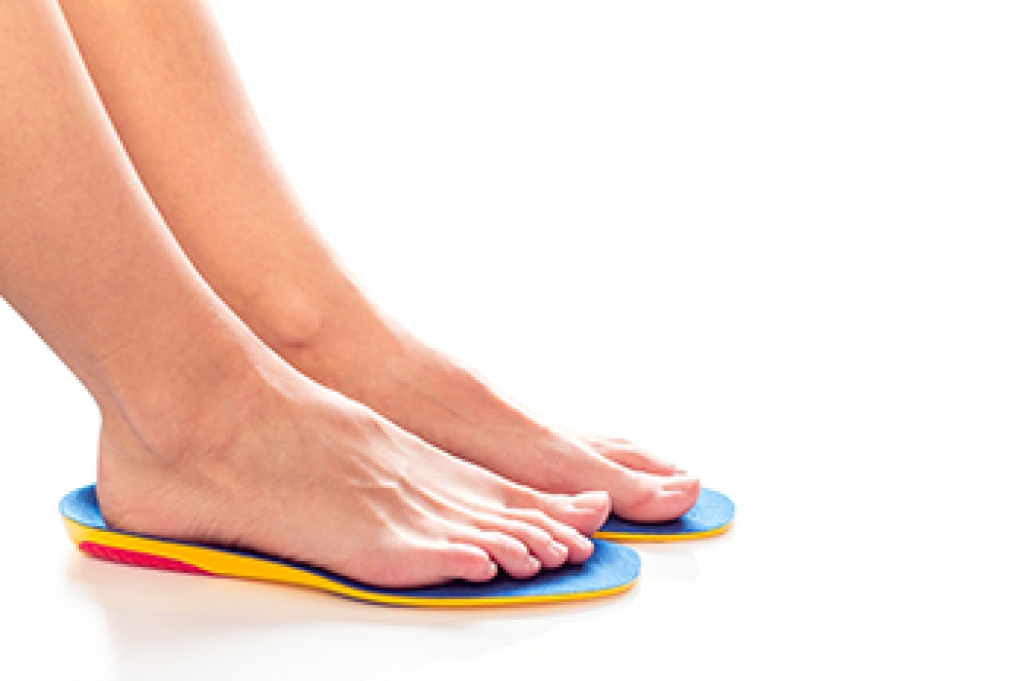
Custom orthotics are specialized shoe inserts created to support and align the feet according to each person’s unique structure and walking pattern. They are an effective way to relieve foot discomfort caused by conditions such as flat feet, high arches, plantar fasciitis, bunions, and heel pain. When the natural alignment of the foot is off balance, it can lead to pressure points, strain, and pain that affect how a person stands, walks, and moves. Orthotics work by redistributing weight evenly and supporting the arch to reduce stress on the muscles, tendons, and joints of the feet and lower legs.

Foot discomfort can develop for many reasons, including wearing improper footwear, long hours of standing, repetitive motion, or underlying structural problems. Over time, this discomfort can extend beyond the feet, contributing to knee, hip, or lower back pain. Custom orthotics help correct these issues by improving alignment and promoting more efficient movement. They are made using precise measurements and imaging to ensure the best fit for each patient, providing targeted support and cushioning where it is needed most.

Unlike generic insoles, custom orthotics are durable, medically designed, and tailored to your specific needs. Whether you are managing chronic pain, recovering from an injury, or simply seeking better comfort and stability, orthotics can make a noticeable difference in how your feet feel throughout the day.

If you are experiencing persistent foot discomfort or fatigue, it may be time to have your feet evaluated by a podiatrist. Call our office today for more information or to schedule an appointment.

If you have any questions, please feel free to contact our offices located in South York, West York, and East York, PA

Read more about Sole Marketing Foot and Ankle Injuries

Everyday Foot Care and Professional Help

Caring for the feet begins with simple habits that keep the skin, nails, and joints healthy. Regular washing and drying helps maintain good skin condition, while properly trimmed nails reduce irritation and discomfort. Supportive shoes that fit well can ease strain on the arches and lessen fatigue during daily activities. Paying attention to changes such as new soreness, swelling, or areas of pressure is also important, as these signs can reveal early trouble long before a major problem develops. A podiatrist becomes important when foot pain does not ease, when walking becomes difficult, or when changes in the nails or skin progress despite basic care. Persistent heel pain, repeated ankle issues, numbness, or wounds that do not improve all deserve professional attention. If any of these concerns affect your comfort or mobility, it is suggested that you see a podiatrist for effective treatment solutions.

Everyday foot care is very important to prevent infection and other foot ailments. If you need your feet checked, contact one of our podiatrists from Premier Ankle & Foot Specialists. Our doctors can provide the care you need to keep you pain-free and on your feet.

Everyday Foot Care

Often, people take care of their bodies, face and hair more so than they do for their feet. But the feet are a very important aspect of our bodies, and one that we should pay more attention to. Without our feet, we would not be able to perform most daily tasks.

It is best to check your feet regularly to make sure there are no new bruises or cuts that you may not have noticed before. For dry feet, moisturizer can easily be a remedy and can be applied as often as necessary to the affected areas. Wearing shoes that fit well can also help you maintain good foot health, as well as making it easier to walk and do daily activities without the stress or pain of ill-fitting shoes, high heels, or even flip flops. Wearing clean socks with closed shoes is important to ensure that sweat and bacteria do not accumulate within the shoe. Clean socks help to prevent Athlete’s foot, fungi problems, bad odors, and can absorb sweat.

If you have any questions, please feel free to contact our offices located in South York, West York, and East York, PA . We offer the newest diagnostic and treatment technologies for all your foot care needs.

Read more about Every Day Foot Care

Connect With Us

scroll to top