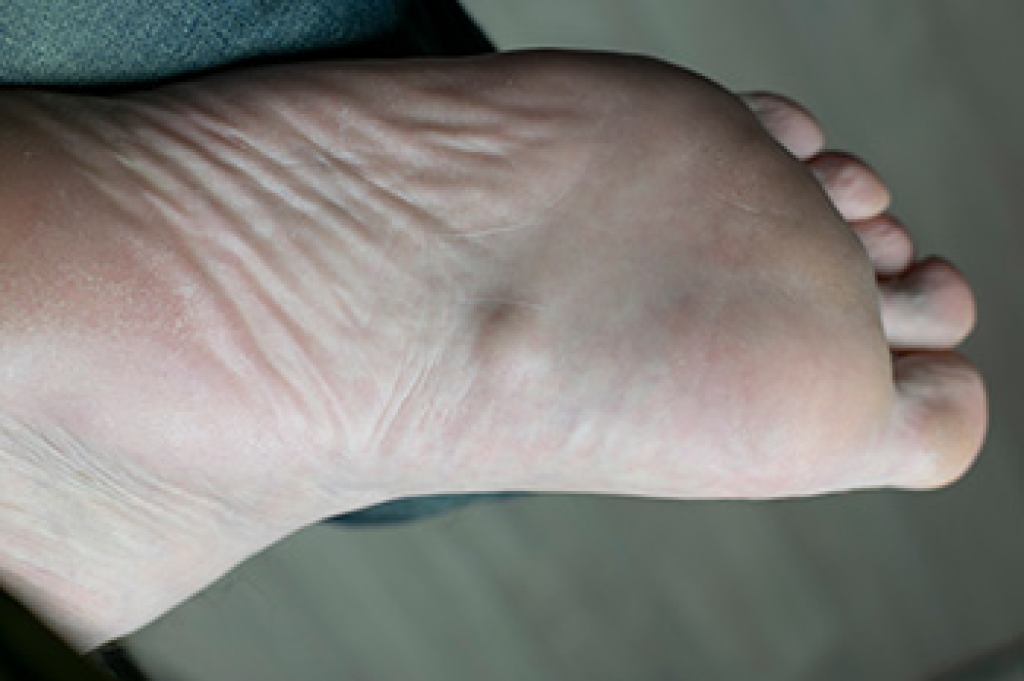
Extra body weight places greater pressure on the feet with every step. This added stress can affect bones, joints, muscles, and soft tissues, making daily movement more difficult. People who are obese are more likely to experience heel pain, arch pain, and discomfort in the ball of the foot. The extra force can also change the way the feet move while walking, increasing strain on important structures that support the foot. Foot pain can make staying active more challenging, creating a cycle that affects both mobility and overall health. Research also shows that obesity is linked to reduced balance and higher pressure across the bottom of the feet, especially in weight-bearing areas. These changes can reduce comfort and increase fatigue throughout the day.
Obesity can also increase the risk of foot conditions that interfere with normal movement. Flat feet can become more noticeable because added weight places greater stress on the arch. Plantar fasciitis, which causes pain near the heel, can also develop from repeated strain. Arthritis can become more painful because the joints carry heavier loads while walking. A podiatrist carefully examines the feet, evaluates walking patterns, and identifies areas receiving too much pressure. This detailed assessment helps guide treatment that supports healthier foot function. Shoes that lack proper support can increase discomfort and reduce stability, making proper shoe selection an important part of care.
A podiatrist creates a treatment plan based on each patient's symptoms, foot structure, and daily activities. Treatment includes custom orthotics, wearing supportive shoes, and regular monitoring of foot health. Orthotics improve foot alignment and reduce pressure on painful areas. Regular evaluations help identify changes before problems become more serious. Early care can improve comfort, increase stability, and help people move with greater confidence. If you have symptoms of foot pain related to obesity, it is suggested that you schedule an appointment with a podiatrist for effective relief and treatment solutions.
The more you weigh, the harder your feet must work to support your body. If you’re an obese individual and are concerned about your feet, contact one of our podiatrists from Premier Ankle & Foot Specialists. Our doctors can provide the care you need to keep you pain-free and on your feet.
Obesity and Your Feet
People who are overweight are putting more pressure on their ankles, knees, and hips as well as their feet. This unfortunately can lead to variety of different issues.
Problems & Complications Stemming from Obesity
- When the body is overweight, it tries to compensate by changing the way that it moves. An obese person may lean forward and put extra weight on the wrong part of the foot. This puts unnecessary stress on the feet.
- Obese people are also more likely to develop type II diabetes which is a condition that causes a lot of foot problems. People with diabetes often don’t feel the cuts and sores that they may have on their feet, which can lead to more complicated and severe issues.
- Plantar fasciitis is another foot condition that can be caused by obesity. Plantar fasciitis is an inflammation of the tissue along the bottom of the foot, which causes pain and stiffness while walking and climbing stairs.
If you have any questions please contact our offices located in South York, West York, and East York, PA . We offer the newest diagnostic and treatment technologies for all your foot and ankle needs.