Blog
Orthotics and the Reduction of Achilles Tendon Pain

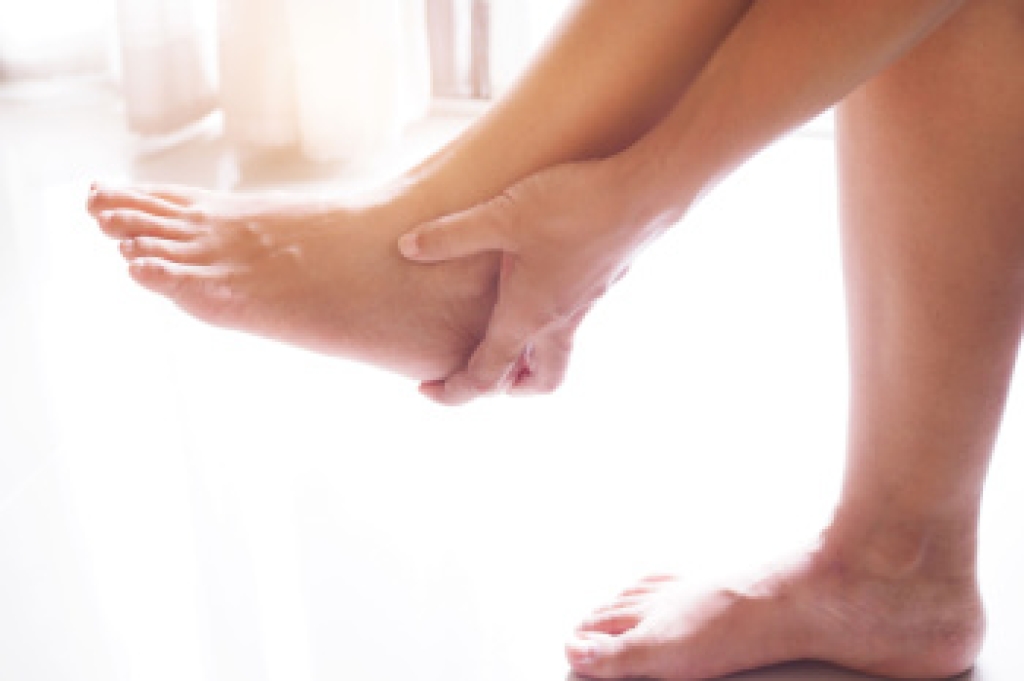
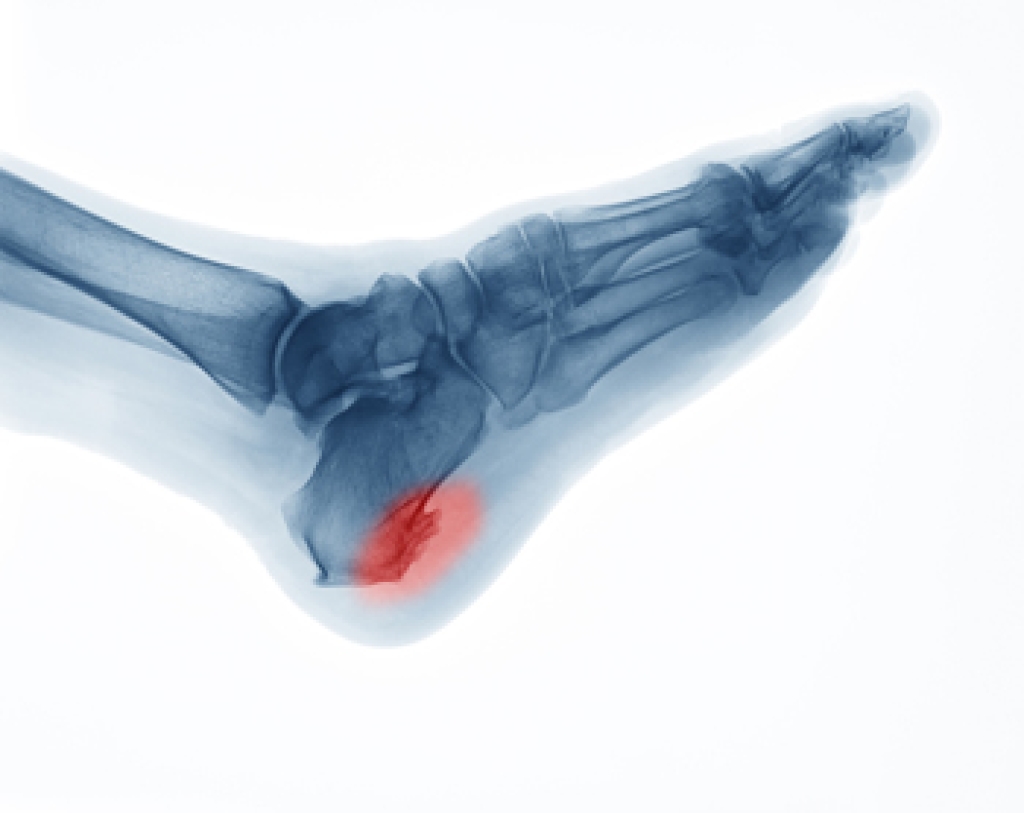
Achilles tendon pain happens when the strong band that connects the calf to the heel becomes strained from repeated use. This tendon works with every step, so too much stress from walking, running, or standing can lead to irritation over time. Common causes include tight calf muscles, poor foot alignment, and sudden increases in activity. Symptoms include pain in the back of the heel, stiffness in the morning, swelling, and discomfort that gets worse with movement or as the day goes on. Some people also feel weakness or have trouble pushing off the foot when walking. This ongoing strain can affect how the ankle and foot move together. Orthotics can help by supporting the foot, improving alignment, and reducing stress on the Achilles tendon during movement. This type of treatment can ease pain and help the body move more smoothly. If pain continues or begins to limit your daily activity, it is suggested that you schedule an appointment with a podiatrist to discuss orthotics.
Our feet carry us through every part of life, absorbing the impact of thousands of steps each day. When they are not properly supported, the effects can extend far beyond the feet themselves. Custom orthotics provide the foundation the body needs by aligning, cushioning, and stabilizing each foot in its most natural position. They are carefully crafted to match the unique structure of each individual’s feet, allowing them to move efficiently and comfortably while reducing stress on the muscles, joints, and ligaments.
Proper foot support is essential for maintaining balance and preventing fatigue. Without it, the body compensates by shifting weight unevenly, which can lead to discomfort in the ankles, knees, hips, or lower back. Custom orthotics help restore this balance by redistributing pressure and promoting a more natural walking pattern. They not only ease existing pain but also protect against future strain or injury by supporting the arches and controlling excessive motion.
Unlike store-bought insoles, custom orthotics are created through detailed assessment and advanced technology to provide precise correction and comfort. They fit seamlessly into most shoes, making them ideal for daily wear, work, or sports.
If your feet feel tired, sore, or unsupported, it is recommended that you contact our office for more information, or to make an appointment.
If you have any questions please contact our offices located in South York, West York, and East York, PA .
Causes, Symptoms, and Types of Ankle Sprains

Ankle sprains are one of the most common injuries affecting the foot and ankle. They often occur when the foot suddenly rolls inward on uneven ground or during sports that involve jumping or quick direction changes. This motion can stretch or tear the ligaments, which are strong bands of tissue that hold the ankle bones together and keep the joint stable. People with high arches, loose joints, or a history of past sprains may have a higher risk of ankle sprains. Symptoms typically include pain, swelling, bruising, and difficulty walking or placing weight on the foot. Ankle sprains are usually classified as mild, moderate, or severe, depending on how much the ligaments are damaged. A podiatrist can evaluate the injury, determine its severity, order imaging tests to confirm the diagnosis, and develop a treatment plan to restore strength and stability. If you have injured an ankle, it is suggested that you make an appointment with a podiatrist for an exam, diagnosis, and treatment.
Ankle sprains are common but need immediate attention. If you need your feet checked, contact one of our podiatrists from Premier Ankle & Foot Specialists. Our doctors can provide the care you need to keep you pain-free and on your feet.
How Does an Ankle Sprain Occur?
Ankle sprains take place when the ligaments in your ankle are torn or stretched beyond their limits. There are multiple ways that the ankle can become injured, including twisting or rolling over onto your ankle, putting undue stress on it, or causing trauma to the ankle itself.
What Are the Symptoms?
- Mild to moderate bruising
- Limited mobility
- Swelling
- Discoloration of the skin (depending on severity)
Preventing a Sprain
- Wearing appropriate shoes for the occasion
- Stretching before exercises and sports
- Knowing your limits
Treatment of a Sprain
Treatment of a sprain depends on the severity. Many times, people are told to rest and remain off their feet completely, while others are given an air cast. If the sprain is very severe, surgery may be required.
If you have suffered an ankle sprain previously, you may want to consider additional support such as a brace and regular exercises to strengthen the ankle.
If you have any questions please feel free to contact our offices located in South York, West York, and East York, PA . We offer the newest diagnostic tools and technology to treat your foot and ankle needs.